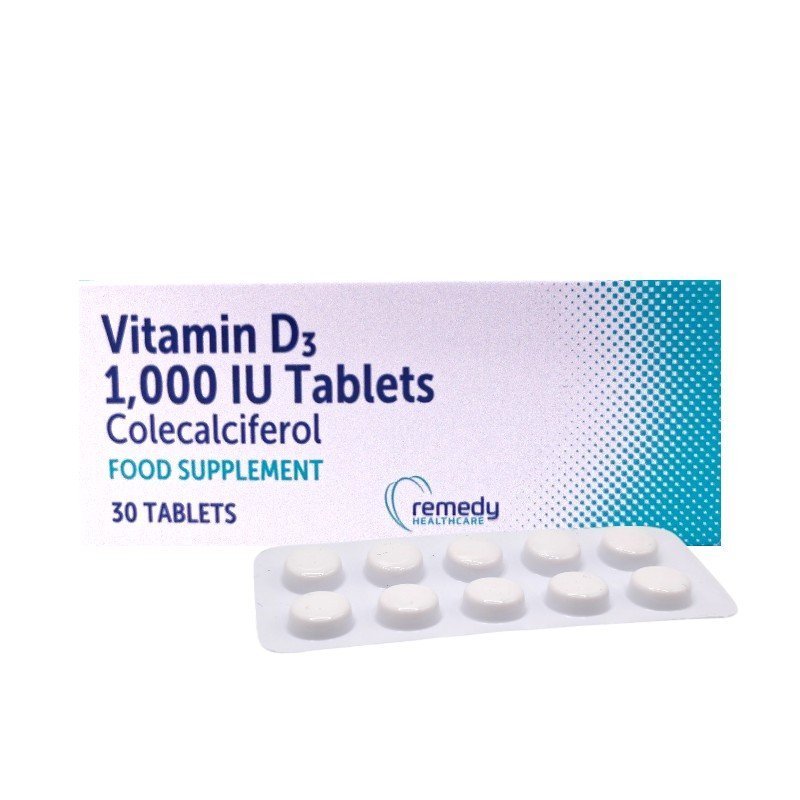
Vitamin D 1000iu Tablets | 30
Vitamin D 1000iu Tablets help support bone, muscle, and immune health by maintaining healthy vitamin D levels. Ideal for those with low sun exposure. Easy-to-swallow tablets.
£1.99
Description
Who are Vitamin D 1000iu Tablets Suitable For?
Vitamin D 1000iu Tablets are suitable for adults and children over 12 years of age. They are particularly beneficial for:
- People with low exposure to sunlight
- Individuals with darker skin
- Those who are housebound or cover their skin for cultural reasons
- Anyone seeking to maintain healthy bones, teeth, and immunity, especially during autumn and winter months
Not suitable for children under 12 unless advised by a healthcare professional.
Ingredients / Active Ingredients
Each tablet contains:
- Vitamin D3 (Cholecalciferol) 1000iu (25 micrograms)
Other ingredients may include: Microcrystalline cellulose, di-calcium phosphate, magnesium stearate, and other standard tablet excipients. Always check the label for full ingredients if you have allergies or intolerances.
How to Use / Dosage Instructions
Dosage by age group:
- Adults and children over 12 years: Take one tablet daily
How often to take it:
- Once daily, preferably with food to aid absorption
How to administer:
- Oral tablet; swallow whole with water. Do not chew.
Duration of use:
- Can be used long-term, especially through periods of low sunlight, unless otherwise directed by a healthcare professional
Possible Side Effects
Most people do not experience any side effects. However, in rare cases, high doses of vitamin D over time may lead to:
- Nausea
- Constipation
- Loss of appetite
- Excessive thirst or urination
Stop taking the supplement and seek advice if you notice any of these symptoms.
Warnings and Precautions
- Do not take if you are allergic to any of the ingredients
- Consult a healthcare professional if you have kidney problems, sarcoidosis, or conditions affecting calcium levels
- Do not exceed the recommended daily dose
Pregnancy and breastfeeding:
Safe to use at recommended levels, but it is best to seek advice from your doctor or midwife before use.
Driving or using machinery:
Vitamin D does not affect your ability to drive or operate machinery.
Interactions with Other Medicines
Vitamin D supplements may interact with:
- Calcium supplements or medications that increase calcium levels
- Steroids or medications used to treat epilepsy (e.g. phenytoin)
- Orlistat and other fat-blocking agents, which may reduce vitamin D absorption
If you are taking any long-term medication, check with your pharmacist or doctor before starting a vitamin D supplement.
Storage Information
- Store in a cool, dry place below 25°C
- Keep away from direct sunlight and moisture
- Keep out of reach of children
- Do not use after the expiry date printed on the packaging
When to Speak to a Pharmacist or Doctor
Seek advice if:
- You are unsure whether you need a vitamin D supplement
- You are taking other medications or supplements
- You have symptoms such as persistent fatigue, bone pain, or muscle weakness
- You experience any side effects
- You are pregnant, breastfeeding, or have a medical condition
FAQs
Do I need to take vitamin D all year round?
You may need it all year if you have limited sun exposure or cover your skin regularly. Otherwise, most people benefit from taking it between October and March in the UK.
Can I take this supplement with a multivitamin?
Yes, but check the vitamin D content in your multivitamin to avoid exceeding the daily recommended amount.
Is this suitable for vegetarians?
Vitamin D3 in most formulations is derived from animal sources. Look for specific vegetarian labelling or choose plant-based (D2 or vegan D3) alternatives if needed.
What’s the difference between Vitamin D2 and D3?
Vitamin D3 (cholecalciferol) is more effective at raising blood vitamin D levels and is preferred for supplementation.
Can I take Vitamin D with calcium?
Yes, they work together to support bone health. However, do not exceed the recommended doses unless advised by a healthcare professional.
You may also like…